EU Crypto Sanctions Intensify as US Advances CLARITY Act
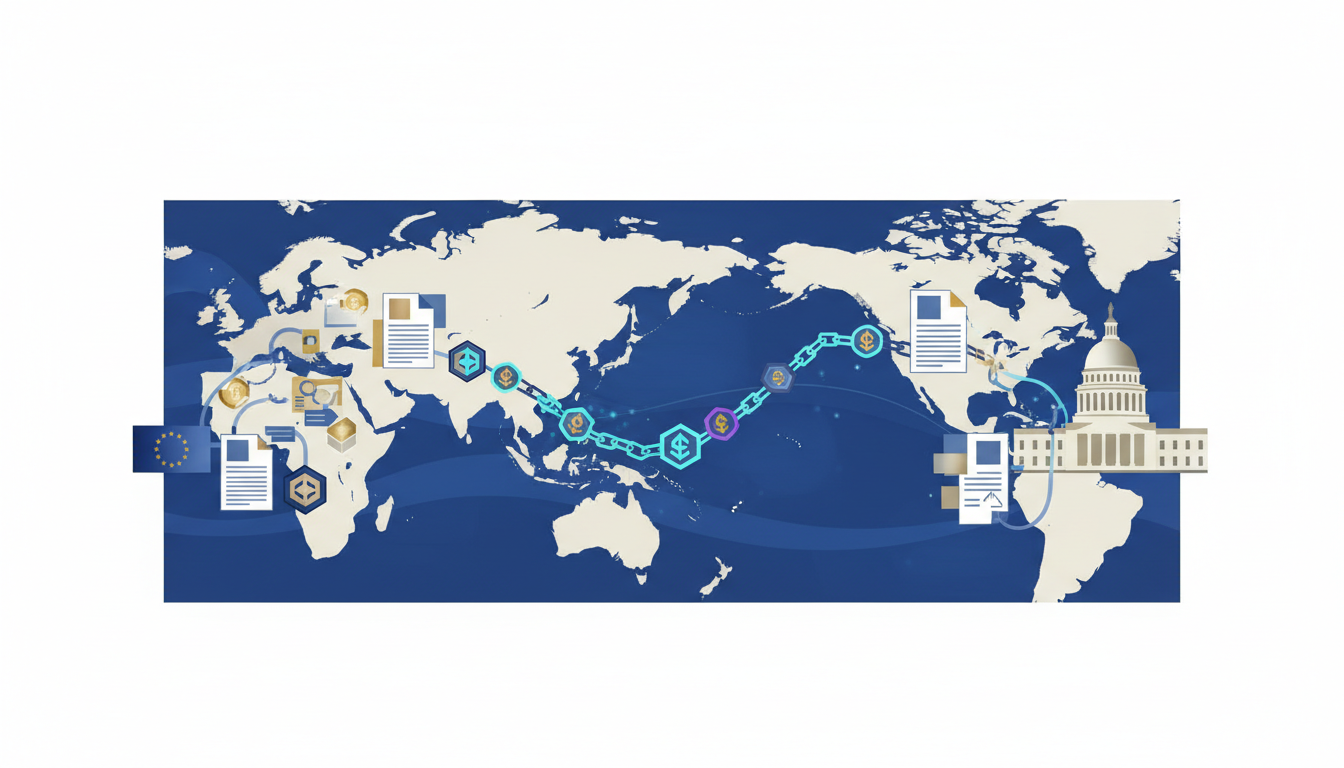
Summary
- The EU adopted its 21st sanctions package on 23 July 2026, extending bans to 14 crypto platforms tied to Russia.
- MiCA rules require all crypto exchanges to hold licenses by 1 July 2026 or stop serving EU users.
- The Digital Asset Market Clarity Act advances toward a Senate vote, creating a US framework for digital commodities.
Regulators on both sides of the Atlantic keep tightening their grip on digital assets. These moves landed at the same time. We've picked the developments that hit exchanges hardest, drawn straight from official announcements and the bill text.
EU 21st Sanctions Package Expands Crypto Bans
The European Council approved its 21st sanctions package on 23 July 2026. It adds 14 crypto platforms based in Georgia, Panama, the UAE, and the Marshall Islands to the transaction ban list.
Authorities target these platforms for supporting Russian energy and finance networks. The addition stands as the largest crypto-focused batch yet.
MiCA License Rule Takes Full Effect
From 1 July 2026, any crypto exchange without a MiCA license must stop serving EU customers. No extensions exist under the current rules.
Platforms must secure authorization or exit the market. National regulators have started issuing the first MiCA licenses, while non-compliant firms run into clear legal barriers.
CLARITY Act Heads Toward Senate Vote
The Digital Asset Market Clarity Act sets up a regulatory framework for digital commodities, assets that rely on a blockchain. The bill reached the Senate on 1 June 2026 and now heads toward a full vote.
It separates digital commodities from securities laws and clarifies CFTC jurisdiction. Senate Republicans revised the text in recent weeks to address banking concerns ahead of the vote.
Offshore Platforms May Absorb Shifted Activity
Sanctions and licensing requirements may push some trading volume toward unregulated offshore platforms. The EU package already flags several jurisdictions that host such services.
This migration risk keeps developing, since authorities track whether bans simply relocate activity rather than reduce it. Both the sanctions list and MiCA rules will need ongoing monitoring to measure real effects.
Brussels and Washington signal stronger global coordination on crypto oversight in the months ahead. Watch the Senate calendar for the CLARITY Act vote and the first wave of MiCA enforcement actions to see how platforms adapt.